Jury’s out: Scrapping jury trials and what it means for criminal justice
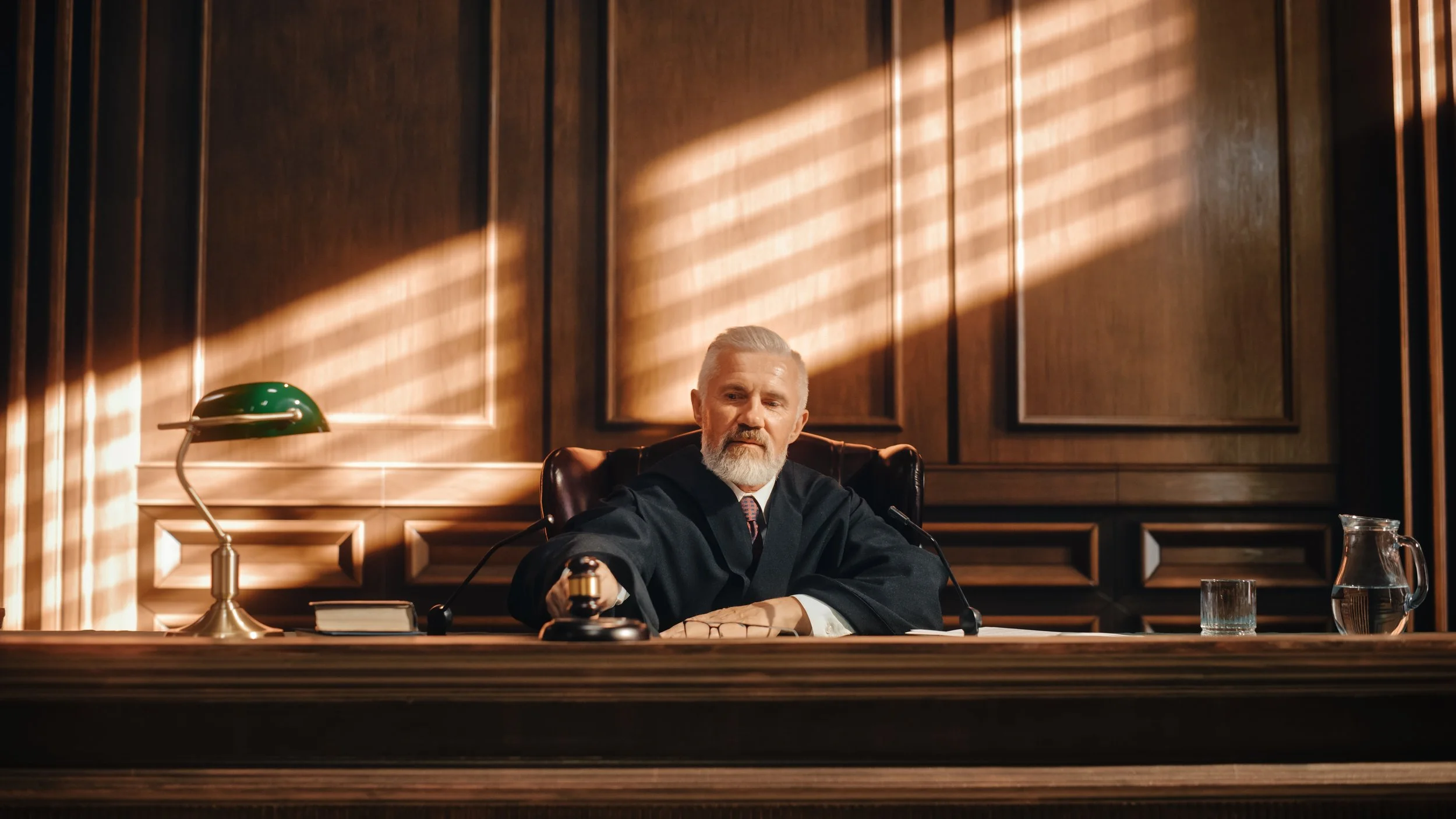
The UK justice secretary, David Lammy, has announced plans to scrap jury trials for less serious crimes in England and Wales.
“Less serious” crimes are those which carry a likely sentence of less than three years. This depends on the crime, and any aggravating factors, but some examples may include: theft, some drug offences, dangerous driving, or assault. In practice, it is likely to includes the vast majority of cases that come before the Crown Courts.
Jury trials will be reserved for cases in “indictable-only” offences such as murder, robbery, and rape. They will also be available for “either-way” offences with a likely sentence of more than three years in prison.
The reason for the change is allegedly to reduce the backlog and delays in the court system. Whether or not the changes will have the desired effect remains to be seen, but the theory is that jury trials take longer than a trial by judge alone. Fewer jury trials means less court time, quicker decisions, and more cases in a shorter timeframe.
However, there are important reasons why we have jury trials in the UK. Is it wise to get rid of them for the vast majority of criminal trials?
Why do we have jury trials?
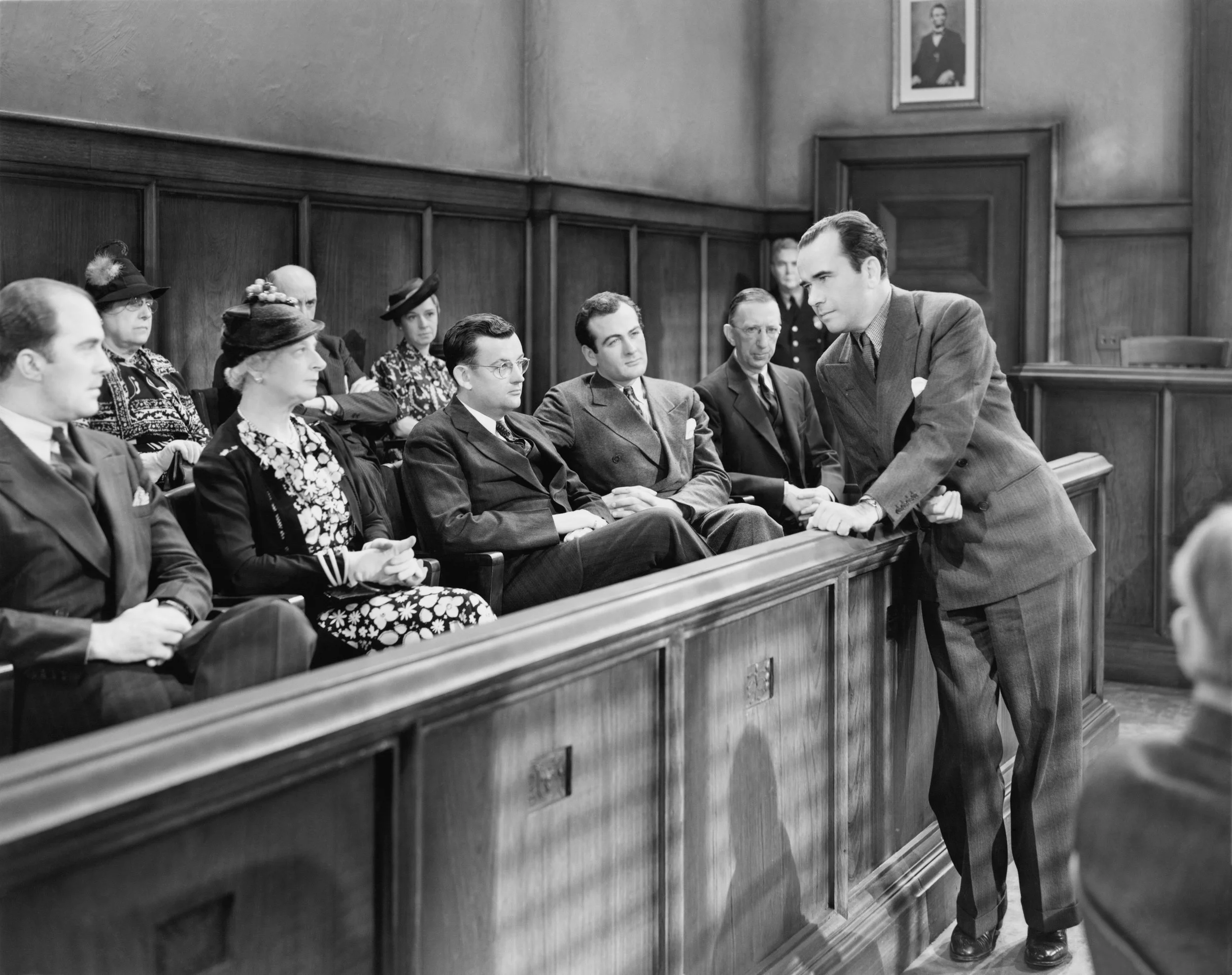
Juries are made up of 12 ordinary citizens. The reason we have them is to reflect society’s standards of honest and reasonable conduct. Criminal cases have to be proven “beyond reasonable doubt”, so one way to ascertain “reasonable” doubt is to ask a cross-section of society. That is what the jury represents.
On a more philosophical level, jury trials are seen as a cornerstone of democracy. They date back to Magna Carta in 1215, which promised that no person would lose their liberty or property without “the lawful judgment of his peers and the law of the land.” It brings community participation into decisions about liberty, so that justice isn’t solely in the hands of the state.
The jurors’ role is to act as reasonable people, applying common sense to evidence, to decide if the prosecution has proved the case to sufficient certainty. It is a way to ensure fairness in the system.
How will no-jury trials be decided now?
The proposals are that magistrates will have more power to hear cases that have a maximum sentencing range of up to 18 months.
There will also be more judge-only trials for the less serious crimes.
Is this a good thing or a bad thing for justice?

On the one hand, it could be said that the archaic system of a 12-man jury, which has been in place since Saxon times, could be in need of an update and reform. It may be true that some trials may be completed more quickly without a jury.
We also need to remember that it will only be the ‘lesser’ crimes that have no jury so the consequences of a judgment range from months to a few years in prison. It is not the case that life sentences will be in the hands of a judge alone.
But on the other hand, there’s concern that the removal of a jury could deepen inequalities that appear to exist in the justice system. Judges tend to be of one demographic; usually white, male, middle-aged and well educated. While they apply the law fairly, they are not representative of the entire cross-section of society. A jury at least has people of different backgrounds and life experiences, who may be able to more accurately assess the credibility of the accused.
It is also the case that juries provide no reasons for their verdict. It is simply not a requirement. However, a judge will have to provide detailed reasoning of their conclusions. This may result in more appeals, and undermine the entire purpose of the proposed reform; to deal with the backlog in the courts.
Reaction
At the moment, these plans still require legislation to be put in place to bring about the proposed changes. In other words, they are not set in stone yet.
The reaction to the proposed changes has been largely critical. Scrapping jury trials has been called “undemocratic”.
But the plans have also been criticised for being illogical. It’s argued that jury’s have not caused the backlog. It’s the funding cuts to the criminal justice system and the Ministry of Justice that has caused the dire situation in the criminal courts.
It is said that these plans won’t reduce the backlog, but could have significant impacts on the carriage of justice. The critical voices in the debate say that the Justice Secretary is focusing on the wrong issues and should look at more pressing causes of the inefficiency of the criminal justice system.